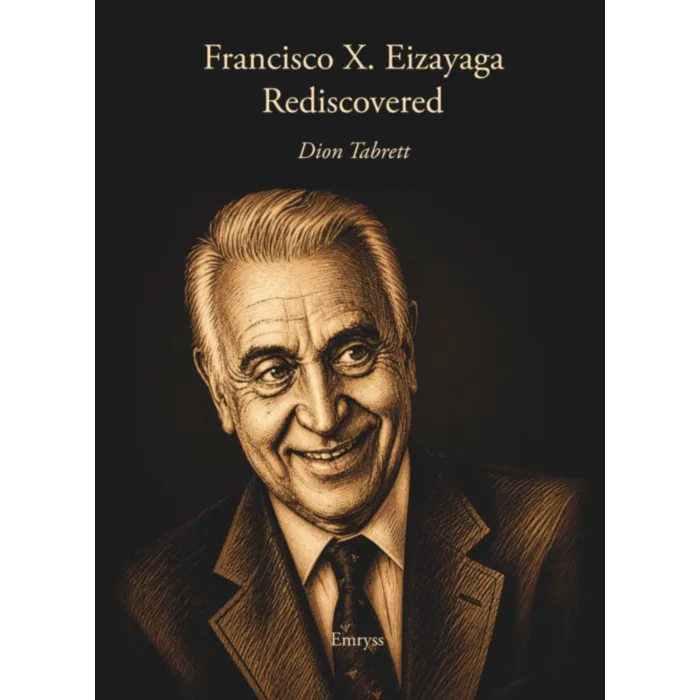
Francisco X. Eizayaga Rediscovered by Dion Tabrett [TAB-FRA]
The author claims: "Eizayaga’s system is, in my opinion, the most elegant we have when analysing a broad spectrum of cases and deciding upon the most appropriate prescription. Eizayaga’s system unites many different approaches to case analysis."
STATEMENT FROM THE AUTHOR:
Welcome to my book about the great Argentinian homeopath Dr Francisco Xavier Eizayaga, MD. He was a genius! For me he ranks up there with the greatest of the past masters of homeopathy.
Dr Eizayaga’s influence upon my clinical practice is on equal standing with Hahnemann, Kent, Clarke and of course James Compton Burnett. Eizayaga’s system is, in my opinion, the most elegant we have when analysing a broad spectrum of cases and deciding upon the most appropriate prescription. Eizayaga’s system unites many different approaches to case analysis. From the therapeutic or practical prescribing style, to the classical constitutional and the use of the simillimum, and fnally the miasmatic or terrain understanding of susceptibility to disease. All these strands are woven together into a coherent and logical system.
The clarity and lack of ambiguity that Eizayaga has brought to the understanding of both simple and complex casework is fantastic. This method of case analysis and prescribing has been absolutely instrumental in my own clinical application of homoeopathic medicine. The use of Eizayaga’s system has produced reliable and wonderful cures in my own clinical practice for over thirty years.
Be inspired! – Dion Tabret
497 pages (hardback edition)
Click HERE to access an EXCERPT from the book that includes the first 61 pages of the book!
Contents
Francisco Xavier Eizayaga ………………………………………………………..9
Introduction ………………………………………………………………………… 13
The Jigsaw ……………………………………………………………………………………………………………..13
Prescribing categories: Unicists and Pluralists ……………………………………………………….14
1 Constitutional Level …………………………………………………………. 19
Introduction ………………………………………………………………………………………………………….19
1.1 Definition of Constitutional level ……………………………………………………………………19
1.2 History of the evolution of the constitutional remedy – Hahnemann to
Grauvogl to Nebel to Vannier to Le Roux & Jouanny ………………………………………41
1.3 The clinical application of the genotype constitution ……………………………………..74
1.4 Symptom hierarchy for constitutional
case analysis, repertory and prescribing and potency selection ……………………….81
1.5 Materia medica of leading genotype constitutional remedies ………………………….86
Calcarea carbonica (Calc) ……………………………………………………………………………….88
Calcarea fluorica (Calc-f) ………………………………………………………………………………..95
Calcarea phosphorica (Calc-p) …………………………………………………………………………97
Lycopodium (Lyc) …………………………………………………………………………………………100
Phosphorus (Phos) ………………………………………………………………………………………..105
Silicea terra (Sil) ……………………………………………………………………………………………112
Sulphur (Sulph) ……………………………………………………………………………………………..118
1.6 Advances in biological science in relation to the genotypic constitution ……….124
1.7 Satellite acute remedies and complementary medicines related
to constitutional medicines ………………………………………………………………………….129
Conclusion ………………………………………………………………………………………………………….132
Further reading ……………………………………………………………………………………………………138
2 Fundamental Level …………………………………………………………. 141
Introduction ………………………………………………………………………………………………………..141
2.1 Definition of Fundamental level ……………………………………………………………………141
2.2 Clinical examples to illustrate medicinal evolution of fundamental remedy ….149
Case 1. Calcarea carbonica male six years old ……………………………………………….149
Case 2. Phosphorus female 17 years old ………………………………………………………..156
2.3 Symptom hierarchy for fundamental case analysis, repertory and
prescribing and potency selection …………………………………………………………………168
2.4 Materia medica of fundamental remedies ……………………………………………………..169
Arsenicum album (Ars) …………………………………………………………………………………170
Aurum metallicum (Aur) ……………………………………………………………………………..177
Natrum muriaticum (Nat-m) ……………………………………………………………………….183
Nux vomica (Nux-v) …………………………………………………………………………………….192
Pulsatilla nigricans (Puls) ……………………………………………………………………………..198
2.5 Satellite acute remedies and complementary medicines related to
fundamental medicines ………………………………………………………………………………..204
2.6 Fundamental remedy same as constitutional remedy. Corrupted
constitutional state and consolidated constitutional state ………………………………205
Conclusion ………………………………………………………………………………………………………….212
Further reading ……………………………………………………………………………………………………216
3 Lesion Level …………………………………………………………………… 217
Introduction ………………………………………………………………………………………………………..217
3.1 Definition of Lesion Level …………………………………………………………………………….217
3.2 The three lesion level categories …………………………………………………………………….219
3.3 Historical and contemporary use of lesion prescriptions – Hahnemann,
Kent, Compton- Burnett, Banerji-protocols ………………………………………………….229
3.4 Symptom hierarchy for lesion case analysis, repertory and
prescribing and potency selection …………………………………………………………………257
3.5 Materia medica. Lesion remedy examples …………………………………………………….258
Bothrops lanceolatus (Both-l) ………………………………………………………………………..259
Cundurango (Cund) ……………………………………………………………………………………..260
Cupressus lawsonia (Cupre-l) ………………………………………………………………………..261
Dolichos pruriens (dol) …………………………………………………………………………………262
Medusa (Medu) ……………………………………………………………………………………………263
Robinia pseudacacia (rob) …………………………………………………………………………….264
Symphoricarpus racemosa (Sym-r) ……………………………………………………………….265
Vanadium (Van) …………………………………………………………………………………………..266
3.6 Case examples ………………………………………………………………………………………………267
3.7 Prescribing too deeply. Homeopathic aggravation. Treatment of
the fundamental layer before the lesion layer ………………………………………………..280
3.8 Eizayaga cases ……………………………………………………………………………………………….296
Conclusion ………………………………………………………………………………………………………….302
Further reading ……………………………………………………………………………………………………306
4 Terrain / Miasm Level ……………………………………………………… 307
Introduction ………………………………………………………………………………………………………..307
4.1 Definition of miasmatic layer ………………………………………………………………………..307
4.2 History of Miasma !eory of Disease ……………………………………………………………314
4.3 Terrain / Miasma Diagnosis ………………………………………………………………………….325
4.4 Symptom hierarchy for miasmatic case analysis, repertory and
prescribing and potency selection …………………………………………………………………334
4.5 Materia medica of the Nosodes …………………………………………………………………….335
Carcinosin (Carc) ………………………………………………………………………………………….336
Medorrhinum (Med) ……………………………………………………………………………………..341
Psorinum (Psor) …………………………………………………………………………………………….348
Syphilinum (Syph) ………………………………………………………………………………………..352
Tuberculinum (Tub) ……………………………………………………………………………………..355
4.6 Case examples showing miasmatic prescribing ……………………………………………..364
4.7 Homeoprophylaxis (HP) and use of nosodes ………………………………………………..370
4.8 Eizayaga cases ……………………………………………………………………………………………….373
Case male 39 years old consults with a bladder polyp ……………………………………374
Conclusion ………………………………………………………………………………………………………….376
Further reading ……………………………………………………………………………………………………381
5 Case examples ………………………………………………………………… 383
Case 1. Calcarea carbonica constitutional case ……………………………………………..384
Case 2. Asthma in a 5-year-old boy. May 2002 ………………………………………………390
Case 3. Asthma in a 5-year-old boy. July 1996. ………………………………………………395
Case 4. Eczema in a 13-year-old girl. 2003. ……………………………………………………403
Case 5. Five-year-old boy with chronically enlarged tonsil. January 1994. …….406
Case 6. Twenty-seven-year-old woman with sinusitis. March 1998 ……………….413
Case 7. Twenty-one-year-old woman with Hodgkin’s Lymphoma. June 1993 …421
Case 8. Six-year-old boy with eczema. April 2020 …………………………………………436
Case 9. Fifty-five-year-old woman with Basal Cell Carcinoma. 2023 …………….450
5.2 Eizayaga’s Principal remedies (Pr.Rx) ……………………………………………………………467
5.3 Glossary ……………………………………………………………………………………………………….471
More from Advanced Books